What Is The Best Month To Visit Florence, Italy?
An honest month-by-month look at Florence using verified visitor data, the Tuscan truffle and olive calendars and food-event dates, so you can pick your own best month.
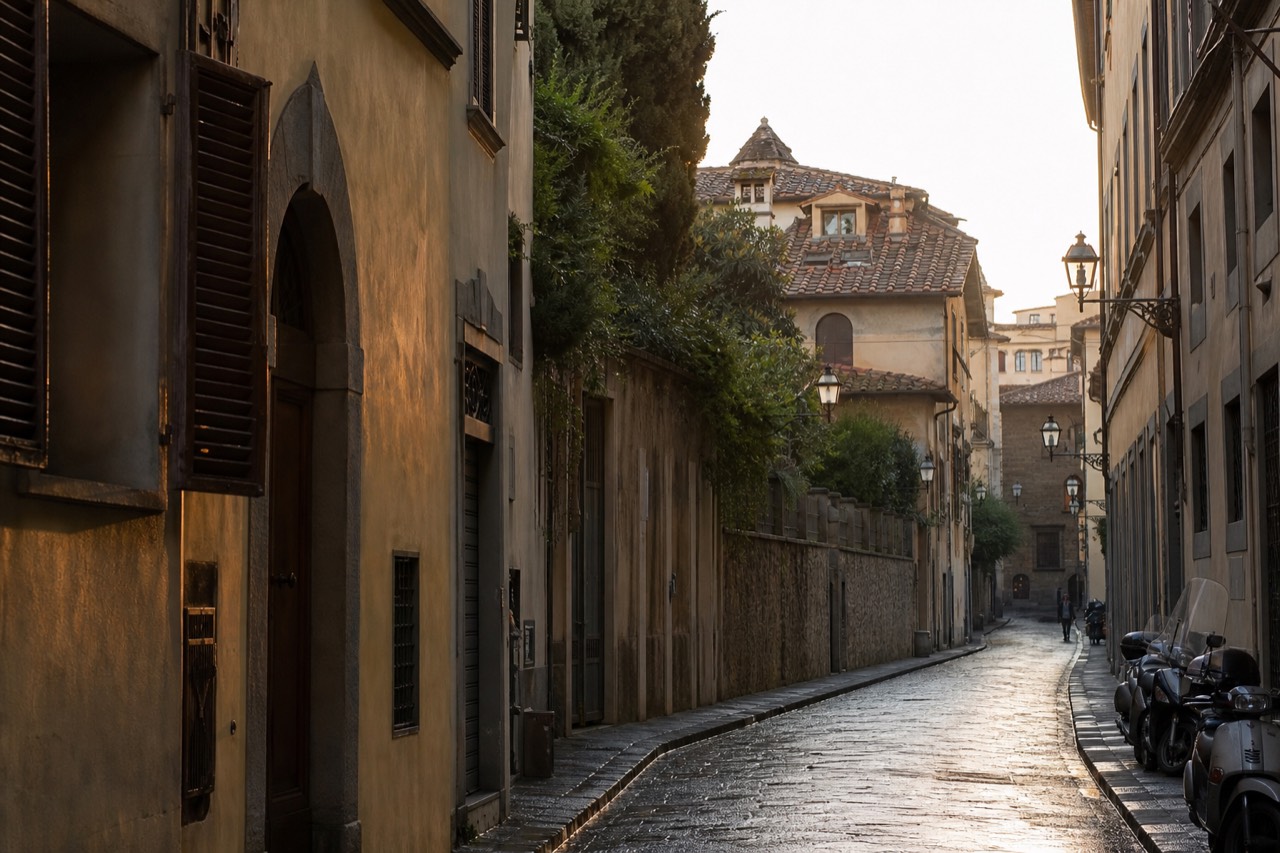
Every Florence travel article on the first page of search results will tell you that April, May, September or October is "the best month to visit Florence." None of them can point to a source that ranks the months, because no such source exists. What does exist is a set of verifiable signals: year-on-year growth data from a named Florentine research body, a regional law that fixes the truffle-hunting calendar, a European specification that fixes the end of the olive harvest, and dated food events. This page puts those signals side by side and lets you make the call yourself.
That is the honest version of the answer, and it happens to be more useful than a verdict. A traveller who cares about white truffles, cooler air and empty galleries in January is not looking for the same month as a traveller who wants long evening light, outdoor summer venues and a sunset food tour. The data below tells you what each part of the year actually delivers.
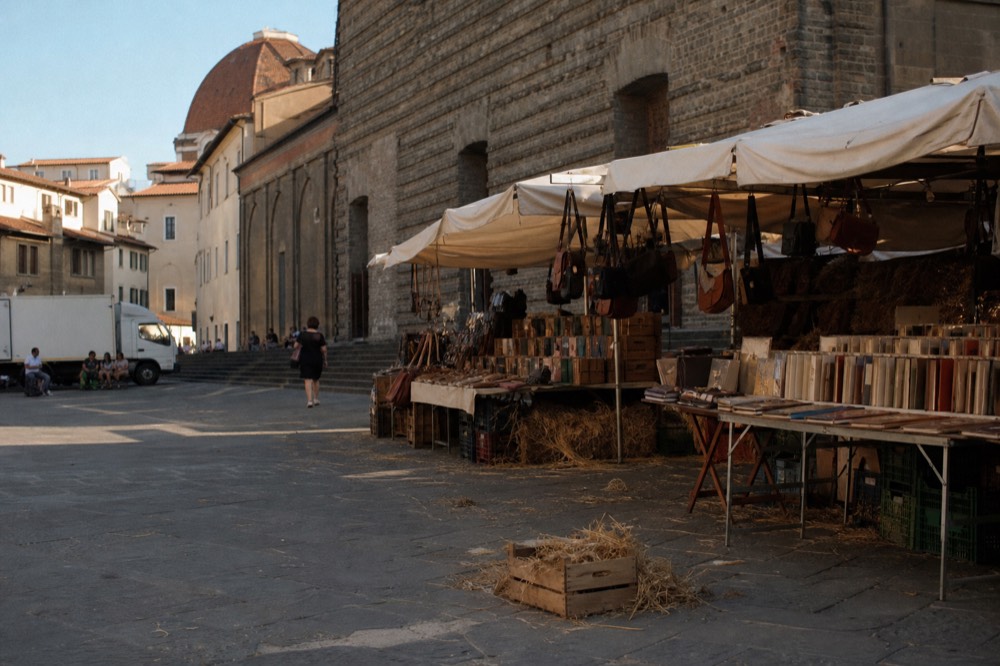
What Is The Best Month To Visit Florence, Italy?
There is no verifiably best month, and this site will not invent one. No official or research body ranks Florence's months by desirability, and visitor-volume rankings cannot be sourced either. What can be verified is this: spring shows the strongest growth in overnight stays, July is the only month that recently fell, and each season carries its own food calendar, from white truffles in October to new olive oil in December.
The reason so many pages give you a confident answer anyway is that "best" is doing invisible work in the sentence. Best for what? For avoiding crowds, for heat, for truffle season, for festival density, for hotel prices? Each of those questions has a different answer, and only some of them have data behind them.
Start with the one dataset on this site's files that says anything monthly at all. According to the Centro Studi Turistici di Firenze, drawing on Regional Tourist Observatory and Città Metropolitana data presented at the "Destinazione Firenze 2026" conference, Florence recorded over 4 million arrivals and 9.7 million overnight stays in the first ten months of 2025, up 7.1 and 8.5 percent on the same period of 2024. Within that, April grew by 132,000 overnight stays and May by 228,000, while July was the only month that fell, down 1.6 percent. That is a growth signal, not a volume ranking: it tells you where momentum is, not which month is fullest or nicest.
Note carefully what that data does not say. It does not say April and May are the busiest months. It does not say July is empty. It says spring is where the growth concentrated in that measurement window, and July dipped. A month can grow strongly from a small base or shrink slightly from a huge one. Anyone who converts those numbers into "visit in April, avoid July" is adding an interpretation the data does not carry.
If a walking food tour is on your list, the season matters less than you might think, because the formats run all year. A street-food walk such as the Tasty Florence Street Food tour covers its tastings and city walk in every season, and its live listing shows the dates it currently has open.
What Does The Month-By-Month Visitor Data Actually Show?
The only sourced monthly figures available come from the Centro Studi Turistici di Firenze: April added 132,000 overnight stays and May added 228,000 in the first ten months of 2025, while July fell 1.6 percent, the only month to decline. The same dataset shows the United States as Florence's largest foreign market at 29 percent of foreign overnight stays, and short-term rentals absorbing the largest share of growth.
Here is the full set of monthly signals from that source, with the attribution travelling with the numbers. Read the growth column as momentum, not as a crowd forecast.
| Month | Signal from CST data (first ten months of 2025) | What it means for planning |
|---|---|---|
| January to March | No month-by-month growth figure published in the dataset on file | Winter data is thin; plan from event and season calendars instead |
| April | +132,000 overnight stays versus the prior year | Strong spring growth; book tours and tables early |
| May | +228,000 overnight stays, the largest rise of any month | The strongest growth month in the dataset |
| June to August | Growth continued except July, which fell 1.6 percent | July was the only declining month; summer overall still grew |
| September to October | Part of the 4 million arrivals, 9.7 million stays ten-month total | Strong absolute volumes in early autumn |
Source for every figure in the table: Centro Studi Turistici di Firenze, from Regional Tourist Observatory and Città Metropolitana data, presented at the "Destinazione Firenze 2026" conference on 9 December 2025.
The same source recorded growth of +96,000 overnight stays from the domestic Italian market and +666,000 from international visitors, and an accommodation split of +25,000 stays in hotels, +274,000 in non-hotel accommodation and +463,000 in short-term tourist rentals. For a food-tour traveller the practical reading is simple: the spring months are getting busier fast, so the tours with small-group caps and the tables at sit-down stops fill earlier in April and May than they used to.
A second, broader figure helps set the frame. According to La Nazione, Florence closed 2025 with 4.78 million arrivals and 11.52 million overnight stays, up 10.2 and 11.2 percent on 2024, with an average stay of 2.4 nights. That is the city perimeter for the full year, and it is a different series from the ten-month CST dataset above; the two should not be mixed into one trend line. What both agree on is that demand is high and rising, which is why the month you choose matters more for comfort than for availability: almost everything is open almost all year.
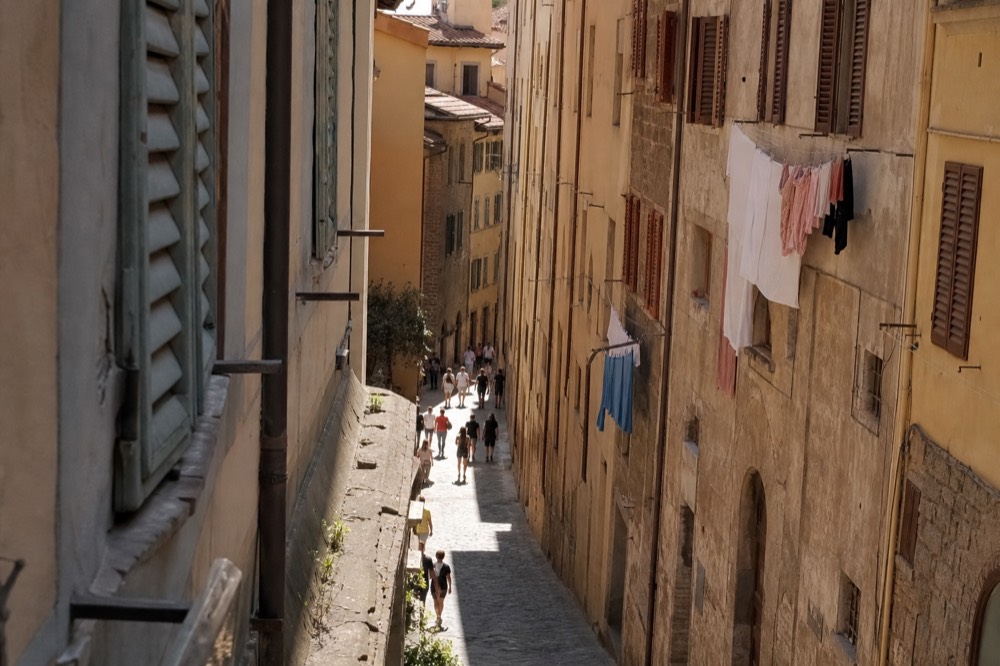
What Is Verifiably Open In Each Month?
The honest month-by-month calendar rests on fixed, sourced dates: the Tuscan white-truffle season runs 1 October to 15 January, the prized black truffle 15 November to 15 March, the olive harvest for Toscano PGI oil ends 15 December, and dated food events such as the Taste salon in February and the chocolate festival in March anchor the winter. Everything in the table below traces to a law, a specification or an official event listing.
This is the part of the answer that no ranked "best month" listicle can give you, because it is built from primary documents rather than vibes. The truffle dates come from Legge Regionale Toscana 36/2023, article 8, the Tuscan regional calendar that replaced the 1995 law. The olive dates come from the Toscano IGP product specification published in the Official Journal of the European Union. The event dates come from official listings.
| Month | What is verifiably in season or on the calendar |
|---|---|
| January | White truffle (to 15 Jan), bianchetto truffle from 15 Jan, Fierucola organic market third Sunday |
| February | Taste food salon at Fortezza da Basso (2026 edition ran 7 to 9 February), bianchetto truffle |
| March | CiokoFlo chocolate festival in Piazza Santa Croce (2026 edition 12 to 15 March), bianchetto truffle to 15 April |
| April | Spring produce, bianchetto truffle to 15 April, Easter-period Fierucola market |
| May | Summer truffle season opens 1 June; late spring produce |
| June | Summer truffle (scorzone) from 1 June, longest daylight for evening tours |
| July | Summer truffle, peak heat, outdoor summer venues open |
| August | Summer truffle to 31 August, many Florentines on holiday, Fierucola pauses |
| September | Rificolona lantern festival on 7 September, Fierucola del Pane on 5 September, truffle hunting closed region-wide |
| October | White truffle from 1 October, summer truffle returns 1 October to 30 November |
| November | Prized black truffle from 15 November, San Miniato white-truffle market last three weekends, new oil arriving |
| December | New olive oil in shops, white truffle to 15 January, black truffle, Christmas markets |
Two details in that table deserve emphasis because they surprise people. First, truffle hunting is closed region-wide in May and September, the fermo ecologico, so a September visitor who wants truffles is a few weeks early for the white season. Second, the latest harvesting date for Toscano PGI extra virgin olive oil is 15 December, which makes December and January the true new-oil months; the fresh, peppery oil that tours pour in late autumn is the product of the harvest that has only just finished.
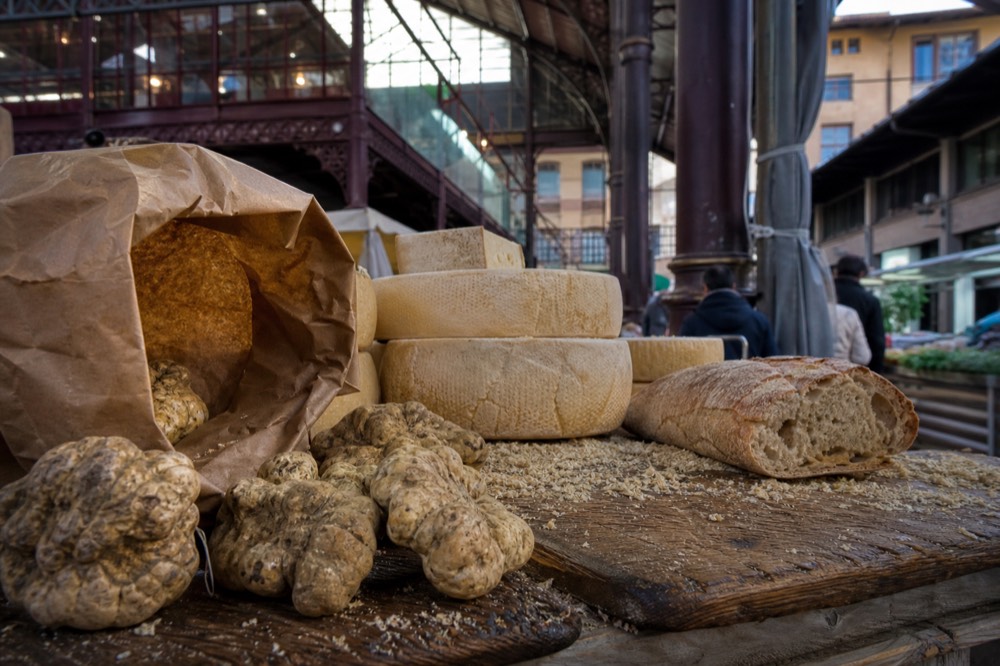
The truffle calendar is worth a closer look if that is your priority. White truffle, Tuber magnatum, the expensive one, runs 1 October to 15 January under the Tuscan regional law. The prized black truffle runs 15 November to 15 March. Summer truffle has two windows, 1 June to 31 August and again 1 October to 30 November. Bianchetto covers 15 January to 15 April. If a truffle-focused trip is the goal, the overlap of white and black season from mid-November to mid-January is the widest window, and our guide to truffle hunting day trips from Florence covers how to build one.
Olive oil follows a different rhythm. The specification's hard end date is 15 December, and Tuscany has around 400 mills, a figure the specification itself credits for allowing small consignments to be pressed promptly. There is no rule about how quickly olives must be pressed after picking, so treat any "pressed within hours" claim as a producer's practice, not a standard. For a deeper seasonal read, see the best time of year for a Florence food tour.
How Hot Does Florence Actually Get In Summer?
According to Corriere Fiorentino, the summer of 2026 in Florence averaged a maximum of 35.2 degrees Celsius and recorded 26 days above 38 degrees, with the longest heatwave running 20 days from 28 July to 16 August. That is a press figure, not meteorological-office data, but it matches what visitors experienced: a summer in which July and August walking tours became an endurance activity.
The practical consequence for a food traveller is about format and timing. A 2.5-hour street-food walk in 38-degree heat is a different experience from the same walk in April, and the tastings that involve standing at a counter or sitting on church steps are the ones that suffer first. Evening tours gain an advantage in summer: the sunset formats start as the air cools and end in the dark, which is why they hold their ratings through the hottest weeks.
If you are locked into July or August, the adaptations are straightforward. Choose tours that start after 17:00, favour market-based formats with indoor sections, and drink more water than seems reasonable. Mercato Centrale's first-floor food hall is open every day from 09:00 to 23:00, so an indoor tasting stop is always available as a heat refuge. The ground-floor market keeps shorter hours, Monday to Friday 07:00 to 15:00 and Saturday to 17:00, which makes early morning the natural time for it in summer.
The heat data also explains the July dip in the CST figures better than any "locals leave in August" folklore does. When the only falling month in the dataset is the one with 26 days above 38 degrees, the mechanism does not need much guessing at. Whether that makes July a bad month for you depends entirely on your heat tolerance and your willingness to structure your day around it.
Which Months Suit Which Kind Of Food Traveller?
Choosing your own best month means matching a priority to a season: white-truffle hunters want mid-October to mid-January, new-oil tasters want December and January, festival-goers want February, March or September, and heat-averse walkers want April, May, October or November. None of these preferences is more correct than another, which is exactly why no honest source names one winner.
Take the truffle-first traveller. Their window is 1 October to 15 January for whites, with the San Miniato market, the Mostra Mercato Nazionale del Tartufo Bianco, held over the last three weekends of November, as the anchor event. November in Florence is cool, occasionally wet, and quiet in the galleries. For someone whose whole trip is built around truffle pasta and aged pecorino, that trade is obvious.
Take the heat-averse walker. Their months are the shoulder seasons, and within those, the CST growth data suggests booking early: April and May are where the crowds are growing fastest, so the small-group tours with caps of 12 or 13 fill first. October offers similar walking temperatures with the white-truffle season already open, which is arguably the best combination of comfort and seasonal food on the calendar, if comfort plus truffles is your definition of best.
Take the festival traveller. February brings the Taste salon at Fortezza da Basso, a professional food fair with public afternoon sessions on the weekend, with 810 exhibiting companies at the 2026 edition. March brings CiokoFlo, the chocolate festival in Piazza Santa Croce. September brings the Festa della Rificolona on 7 September with its lantern processions, and the Fierucola del Pane on 5 September. Each of these is a reason to be in Florence in a month that the "best month" lists skip entirely.
And take the traveller who simply wants the classic experience without complications. For them the answer is that Florence food tours run all year, the formats barely change, and the cheapest and most reliable way to see the city's food culture is a well-reviewed walking tour in whatever month the trip already falls in. If that is you, Check availability on the Tasty Florence Street Food tour for your dates, since its 2.5-hour format works in every season and it carries free cancellation up to 24 hours before the start time.
How Do You Pair A Food Tour With The Seasonal Calendar?
Pairing works backwards from what you want to taste: sunset and evening tours fit June to September's late light, market tours fit the October-to-April months when indoor halls matter most, and truffle-driven itineraries need mid-October onward. The one format that is genuinely season-proof is the street-food walk, which moves its stops indoors without changing its shape.
The evening formats are the clearest seasonal case. A sunset food and wine tour is built around the hour when the light turns, and that hour exists year-round but delivers most in the warm half of the year, when the tour can spend time outside between stops. In deep winter the same tour still runs, but the rhythm shifts indoors. The hero of that category, the Winner 2026 Florence Sunset Food and Wine Tour by Eating Europe, carries a 5.0 rating across 5,911 reviews, the largest verified review base on this site's roster, with 9 to 10 Tuscan bites, four wines, a prosecco toast and a cocktail lesson from Piazza Santo Spirito.
Market tours have the opposite seasonal logic. Mercato Centrale and Sant'Ambrogio are at their most atmospheric in the cold months, when the food hall's covered space and the market's new canopies, installed in the Sant'Ambrogio restoration completed in December 2025, matter most. The Central Market Food and Wine Tour runs nine food tastings and six drinks inside Mercato Centrale, with a 5.0 rating across 265 reviews, and its indoor route makes it the natural pick from November through March.
One planning note that catches visitors out: the outdoor stalls around Mercato di San Lorenzo close on a schedule of Mondays set by municipal ordinance, so a Monday market-focused itinerary behaves differently from a Tuesday one. The details, and the full Monday-closure pattern, are in our answer to what day is market day in Florence.
A final budget angle for the shoulder months: Italian state museums, including the Uffizi and the Accademia, offer free entry on the first Sunday of every month, plus 25 April, 2 June and 4 November. If you are building a food-and-culture day in a month when tours are quieter, the first Sunday frees up spending for a longer or more premium food experience.
What Should You Book Ahead, Whatever Month You Choose?
Book ahead in April, May and the last three weekends of November, when growth data and festival calendars converge on the same dates, and book the small-group and sell-out-flagged tours first. In deep winter, same-week booking is usually fine, though the truffle-season weekends in November still fill early. Free cancellation up to 24 hours before the start time applies to 21 of the 22 tours on this site's roster, so early booking carries little risk.
The April and May case comes straight from the data: those are the two strongest growth months in the CST dataset, and the growth is concentrated in exactly the visitor segment, international, short-stay, experience-buying, that fills food tours. The November case comes from the truffle calendar: the San Miniato market weekends draw dedicated crowds, and Florence-based truffle content in those weeks books out around them.
The small-group point matters because capacity is the scarce resource. Several tours on the roster cap groups at 12, and a capped tour in a growth month is the tightest combination on the calendar. If your dates fall in April or May and your preferred format is a small-group dinner or market tour, locking it before you lock your museum tickets is the right order of operations.
The cancellation note is the reassurance that makes early booking rational rather than anxious. Twenty-one of the 22 tours on this site's roster carry free cancellation up to 24 hours before the start time; the single exception is the Original Florence Street Food and Market Tour, which is non-refundable. As long as you avoid that one, or accept its terms, booking a month out costs you nothing if plans change. For a fuller treatment of the trade-offs, see our guide to the best time of year for a Florence food tour.
These are the questions readers ask most about timing a Florence trip, answered with the same sourcing discipline as the rest of this page: no invented rankings, no unsourced crowd claims, and every figure attributed to the body that produced it. Each answer stands alone, so you can jump straight to the month question that matters for your trip.
Common Questions About The Best Month To Visit Florence
What is the best month to visit Florence, Italy?
There is no verifiably best month, and no official source ranks the months. The verified signals are these: April and May show the strongest growth in overnight stays, July is the only month that recently declined, white truffle season runs 1 October to 15 January, and new olive oil arrives after the 15 December harvest deadline. Match the month to your priority rather than to a verdict.
What is the busiest month in Florence?
No verified source on this site's files ranks the months by absolute visitor volume. The only monthly data available is a growth signal from the Centro Studi Turistici di Firenze: April added 132,000 overnight stays and May added 228,000 in the first ten months of 2025, while July fell 1.6 percent. Growth is not the same as volume, so treat any "busiest month" claim you read elsewhere with caution.
Is July a bad time to visit Florence?
Not bad, but hot. According to Corriere Fiorentino, summer 2026 averaged a maximum of 35.2 degrees Celsius with 26 days above 38 degrees, and July was the only month in the CST dataset to record a fall in overnight stays, down 1.6 percent. If you visit in July, favour evening tour formats and indoor market stops.
When is truffle season in Florence and Tuscany?
Under Legge Regionale Toscana 36/2023, the white truffle season runs 1 October to 15 January, the prized black truffle 15 November to 15 March, the summer truffle 1 June to 31 August and again 1 October to 30 November, and the bianchetto 15 January to 15 April. Truffle hunting is closed region-wide in May and September.
When does new olive oil arrive in Florence?
The latest harvesting date for Toscano PGI extra virgin olive oil is 15 December, so genuinely new oil reaches shops and tastings from late November through January. Any oil poured before November is from the previous season.
Do Florence food tours run in winter?
Yes. The walking, market and street-food formats operate year-round, and indoor anchors such as Mercato Centrale's food hall, open every day from 09:00 to 23:00, keep winter itineraries full. Winter is also white-truffle and new-oil season, which many food travellers consider a bonus rather than a compromise.
The month you choose should fall out of what you want on the plate and in the glass, not out of a ranking nobody can source. If truffles decide it, aim for mid-October through November. If walking comfort decides it, take a shoulder month and book early. If nothing in particular decides it, take the month you already have and spend the planning energy on picking the right tour instead: Florence Food Tours keeps the full verified roster, with prices, ratings and cancellation terms for every month of the year.