How To Look Less American In Italy?
Practical, verifiable habits that help you blend in as an American visitor in Florence: counter ordering, market hours, receipts, tipping and the rules that actually carry fines.
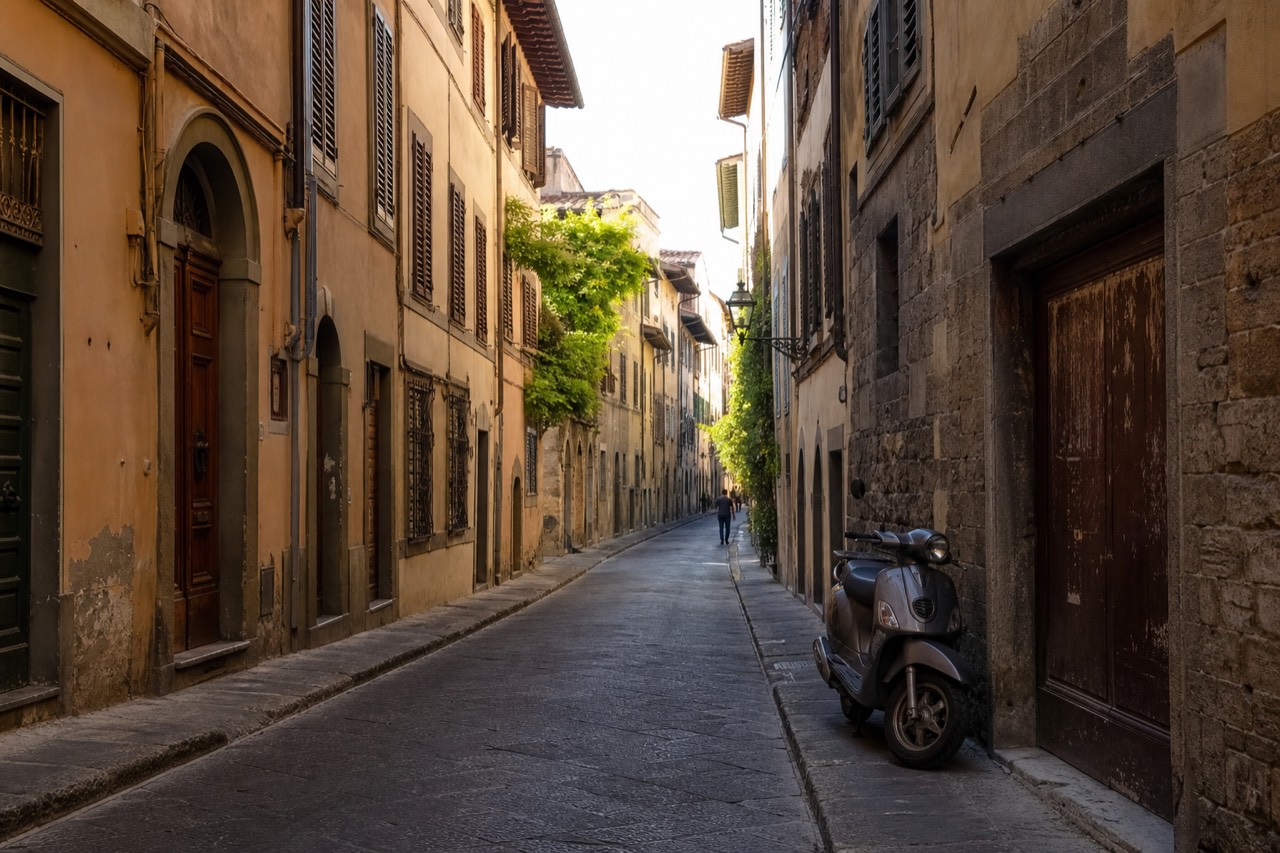
Florence has a lot of American guests. According to the Centro Studi Turistici di Firenze, drawing on Regional Tourist Observatory and Città Metropolitana data, the United States is the city's single largest source market, at 29 percent of all foreign overnight stays. You are not an intruder here; you are roughly three in ten of the foreign faces in Piazza della Signoria on any given evening. That is exactly why the question of how to read as less conspicuously American is worth answering with facts rather than folklore. The honest version of the answer is not about hiding an accent. It is about a small set of documented habits, opening hours, ordering customs and local rules, most of which are checkable against primary sources, and all of which make your day smoother whether or not anyone notices you. This is the approach Florence Food Tours takes throughout: habits you can verify, not stereotypes you have to guess at.
How To Look Less American In Italy?
The habits that actually mark you out are behavioural, not sartorial: ordering and drinking coffee at the counter instead of demanding table service, timing your market and museum visits around real Italian opening hours, standing to eat where standing is expected, and knowing that the coperto on your bill is legal while the receipt in your hand is yours to keep or bin. None of that requires a new wardrobe. It requires knowing how the city actually works, which is what this longread sets out, habit by habit, with the sources behind each claim. If you want a shortcut, a guided walk with a local is the fastest way to absorb the rhythm, and the city highlights and street food walking tour is built exactly around that idea.
The stereotype-heavy advice you find elsewhere, buy neutral colours, avoid white sneakers, carry a crossbody bag, is mostly harmless and mostly beside the point. Florence is a university city and a fashion-industry city; locals wear sneakers, and nobody is auditing your bag. What genuinely distinguishes a settled visitor from a frazzled one is tempo: the American visitor who sits down at a bar table at 10:30 for a cappuccino and a laptop session is doing something a Florentine almost never does, while the one who drinks the same cappuccino standing at the counter in four minutes is doing something a Florentine does daily. That distinction, counter versus table, is documented, priced and worth a section of its own.
How Do You Order Coffee Without Signalling You Are A Tourist?
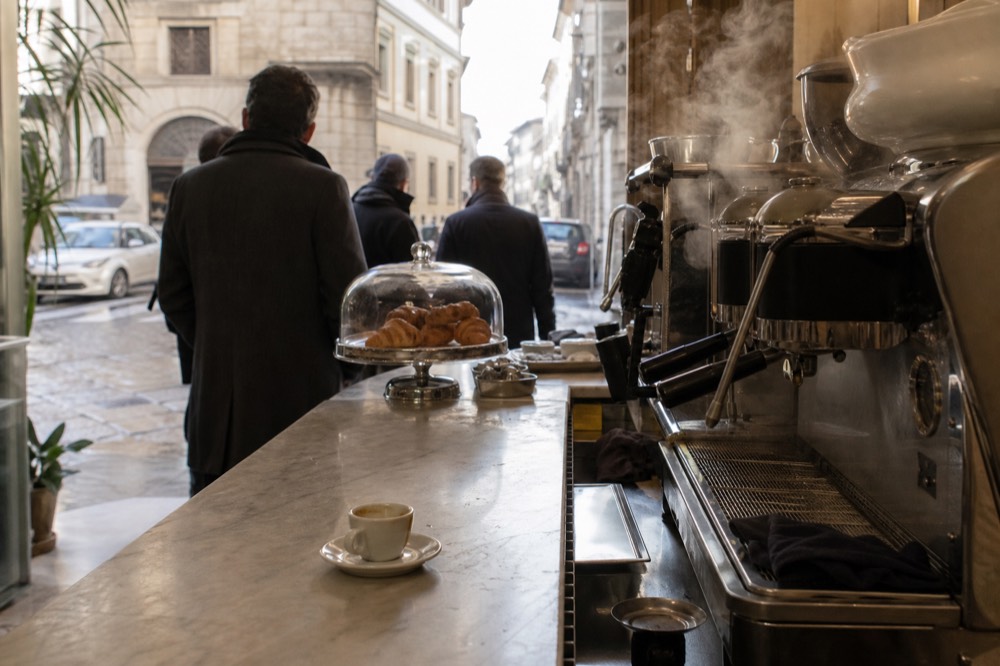
Order at the counter, pay first or after as the bar indicates, drink standing up, and leave. Table service exists but costs more and turns a two-minute ritual into a seated occasion, and a cappuccino after midday reads as odd while an espresso at any hour reads as normal. None of this is law. All of it is observable in any bar on Via dei Neri at 8 a.m., where the locals are shoulder to shoulder at the marble counter and the tables sit empty.
The pricing behind the habit is real and measurable. Fipe-Confcommercio, working from ISTAT 2025 prices, put the average counter price of an espresso in Florence at 1.26 euro and a cappuccino at 1.49 euro. A July 2025 survey of Florence trippai, reported by Le Connessioni, found the most common price for a lampredotto panino at 5 euro, with a range of 4 to 6 euro depending on how central the stand is. The counter is simply where the city's cheap, fast food economy lives, and using it marks you as someone who knows that.
There is also a persistent myth worth killing here: that you can be fined for leaving a bar without your receipt. No such customer obligation and no such fine exists in Italian law. The business must issue a commercial document through its electronic till, a requirement in force since 2021 under the Agenzia delle Entrate's corrispettivi rules, but the customer is under no legal duty to take it or keep it. You will not be stopped on the street for receipt-checking. If a guide or a blog tells you otherwise, that is a signal to trust it less on everything else too.
One more bar habit that saves money and reads local: check the price list before you order. Under a 1940 royal decree still in force, public businesses must display their price tariff in a visible place, and any table-service charge or coperto has to be on it before you order. In 2025 a bar owner in Borgo degli Albizi made the news, in La Repubblica, for adding a 1 euro table-service surcharge that took a seated espresso from 1.30 to 2.40 euro. Legal, disclosed, and a perfect illustration of why the counter is the local's default. If you are building a morning around this, the private coffee and sweets tour pairs caffè, chocolate, pastry and gelato stops into two hours, and it is worth checking the live listing for current dates before you plan the rest of your day around it.
How Do You Shop At The Market Like A Florentine?
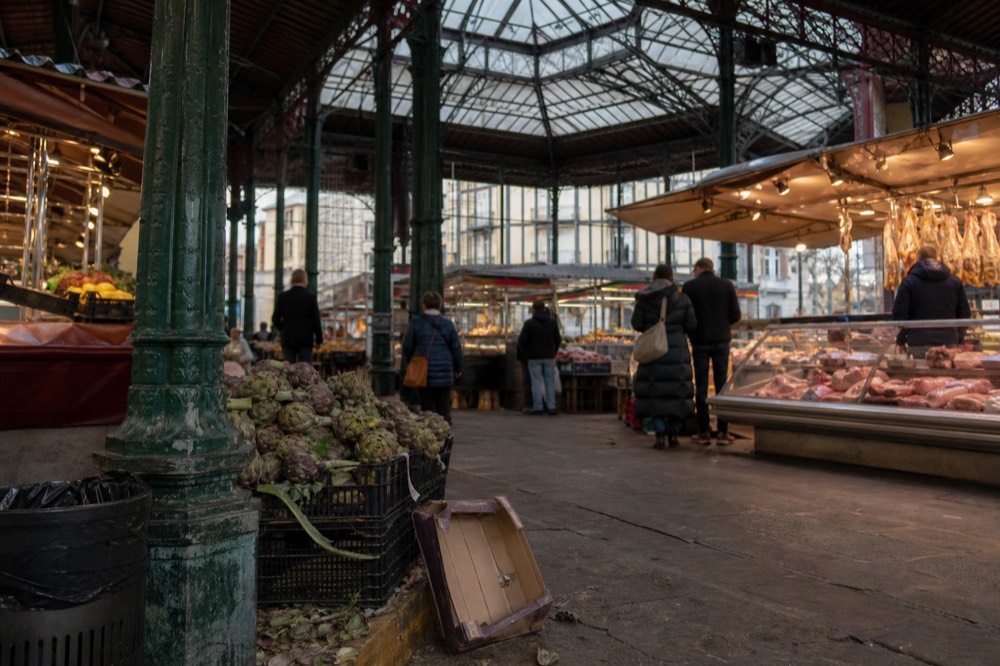
Go in the morning, know which market you are in, and know the days: Mercato Centrale's ground floor runs Monday to Friday 07:00 to 15:00 and Saturdays to 17:00, Sant'Ambrogio runs Monday to Saturday 07:00 to 14:00 and closes Sunday, and the outdoor San Lorenzo stalls around the market sell leather and souvenirs, not food. Confusing the food market with the outdoor leather market is the single most common first-timer slip, and the Comune di Firenze's own mercati storici page draws the line clearly.
| Market | What it is | Documented hours | Local habit |
|---|---|---|---|
| Mercato Centrale, ground floor | Over one hundred food stalls, butchers, bakers, fishmongers, plus small trattorie | Mon-Fri 07:00-15:00; Sat and pre-holidays to 17:00 | Morning shop, cash and card both fine |
| Mercato Centrale, first floor | Food hall of artisan botteghe, opened 2014, 3,250 square metres | Every day 09:00-23:00 | Lunch, evening, sit anywhere; only the pizzeria and restaurant take bookings |
| Mercato di Sant'Ambrogio | Food stalls, a small osteria, outdoor canopies with produce, in Piazza Lorenzo Ghiberti | Mon-Sat 07:00-14:00, closed Sunday | The neighbourhood market; go before 12 |
| Outdoor San Lorenzo stalls | Clothing, leather goods, souvenirs along Via dell'Ariento | Mon-Sun 09:00-19:00, with Monday closures under a 2025 ordinance | Not a food stop; do not expect lunch here |
Timing matters more than costume. The Florentine household shops early: by early afternoon both historic food markets have wound down, and the first-floor food hall at Mercato Centrale, open every day until 23:00, is where the evening economy moves. A 2025 Comune ordinance also sets recurring Monday closures for the outdoor stalls around Mercato di San Lorenzo, so a Monday visit to that quarter looks and feels different from a Tuesday one. Building your day around these rhythms, rather than arriving at a shuttered market at 4 p.m., is what actually makes you look like you know the city.
The market is also where the "less American" question answers itself most gently. Stand in line, greet the stallholder, let the person ahead of you finish their transaction, and ask before photographing. Nobody expects fluent Italian; buongiorno and grazie cover an enormous amount of ground. The old-city street food tour threads six named tastings, pasta, wine, gelato, cantucci with Vin Santo, focaccia and salami, through exactly these streets, and it is a relaxed way to learn the geography before you shop on your own.
What Behaviour Rules Actually Carry Fines In Florence?
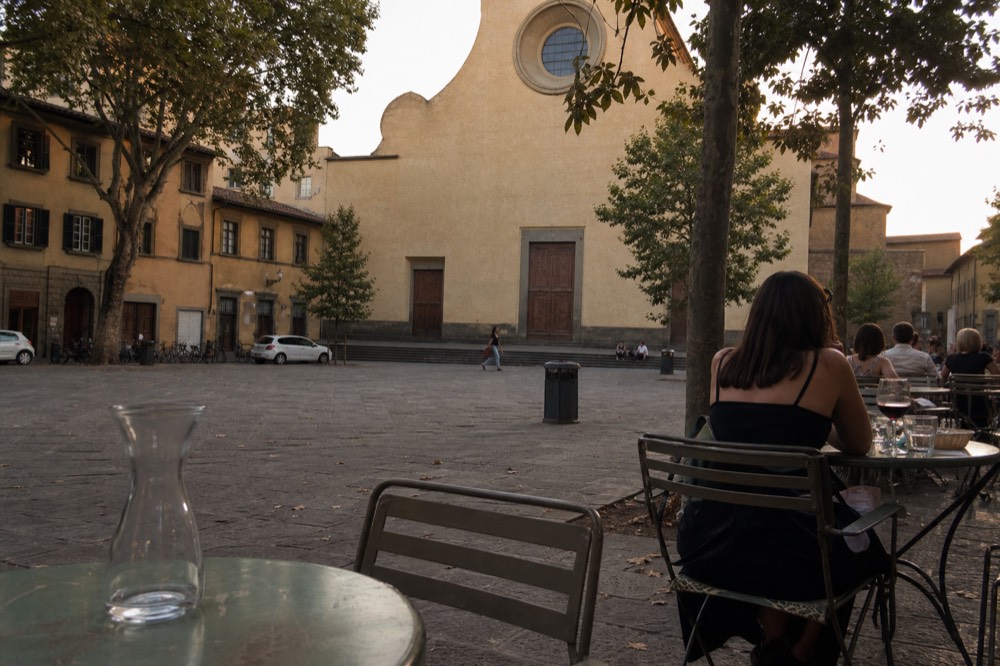
Very few, but they are specific: since May 2026 a mayoral ordinance prohibits standing, eating or drinking on the entire forecourt and steps of the Basilica di Santo Spirito, with fines of 400 to 1,000 euro, and the city's new outdoor-seating rules, in force since 11 February 2026, restrict dehors on 60 streets and cap total surface in the UNESCO centre at its November 2025 level. These are the rules a visitor can genuinely trip over, and they are worth knowing before you picnic on church steps.
The Santo Spirito rule deserves emphasis because the piazza is one of the most-loved evening spots in the Oltrarno, and several food tours meet or pass there. According to 055firenze.it, the May 2026 ordinance bans standing, eating or drinking on the whole sagrato and steps around the clock, allowing only transit for access to the basilica outside authorised events. Buying a lampredotto panino and settling on the church steps is now a finable act, not a charming local custom. Eat it standing at the cart, or walk to a bench elsewhere.
The dehors rules affect you indirectly. They do not ban outdoor dining city-wide, whatever a paraphrase might have told you; the Comune di Firenze's own version is that installations are banned on 60 streets and restricted on 73 others in the UNESCO historic centre, with total authorised outdoor surface frozen at its 15 November 2025 level. What you will notice is fewer platform terraces and more simple tables and chairs on pavements. Reserving a table indoors, or accepting that the outdoor seat you remember from a past trip may no longer exist, is simply the current reality of the centre.
Beyond those two, the practical rule set is small and mostly about respect rather than law: keep your voice at the level of the room, do not sit on fountains or monument bases, and dress with shoulders and knees covered if a church visit is in your day, which in Florence it almost certainly is. The Duomo complex enforces a dress code at the door, and being turned away from a basilica in shorts is a more conspicuous American moment than any accent will ever be.
What About Money, Receipts And Tipping?
Pay small amounts in cash or card as convenient, know that Italy's cash ceiling is 5,000 euro for transfers between parties, understand that tipping is discretionary and modest, and remember that the coperto is a legal cover charge in Tuscany, not a scam and not a tip. None of these require performance. They require knowing what the bill in front of you actually says.
Start with the coperto, because it is the line item that generates the most confused complaints. There is no national law banning or capping it; it is lawful nationwide provided it is disclosed before ordering, on the menu or price list. Tuscany has no regional prohibition, unlike Lazio, where a 2006 regional law bans the coperto where table service is provided. A Florence restaurant charging 3 or 4 euro per person coperto, printed on the menu, is doing something legal and ordinary. Read the menu, expect the line, and do not treat it as a trick.
Tipping is where American habits overshoot. There is no verified figure for what food-tour guides in Florence are tipped, and this site will not invent one. What can be said honestly is that tipping in Italy is discretionary, appreciated, and typically far lighter than the American 20 percent reflex: rounding up a bill, or a few euro on a tour well led, is the local register. If you want to dig into the reasoning, the do you tip on food tours piece covers the coperto-versus-gratuity distinction in detail.
| Habit | What is actually documented | Where it comes from |
|---|---|---|
| Counter coffee | Florence counter espresso averages 1.26 euro, cappuccino 1.49 euro | Fipe-Confcommercio on ISTAT 2025 prices |
| Keeping your receipt | No customer duty and no fine for leaving without it | Italian corrispettivi rules; the obligation is the business's |
| Coperto | Legal in Tuscany if disclosed before ordering; banned in Lazio | National law and Lazio regional law 21/2006 |
| Cash ceiling | 5,000 euro between parties; higher amounts need traceable payment | Italian cash-limit rules for 2026 |
| Cash at the border | Declare 10,000 euro or more entering or leaving the EU | European Commission cash controls |
| Market rhythm | Ground-floor food markets finish by early afternoon | Comune di Firenze mercati storici page |
Two money rules matter at the edges. Italy's cash payment ceiling for 2026 remains 5,000 euro between parties, with anything at or above that requiring traceable payment, a threshold no food tourist will approach but which explains why businesses can be fussy about very large cash bills. Separately, the European Commission requires a cash declaration when entering or leaving EU territory with 10,000 euro or more, per person including minors. And if you are bringing food home, be warned that US rules are strict: a USDA blog post of February 2026 restates that travellers cannot bring pork products, cooked or uncooked, into the United States because of African swine fever, and a CBP update requires declaring meats, fruits and vegetables, with fines starting at 300 dollars for a first failure to declare. The prosciutto stays in Italy; the what you cannot bring back to the USA guide lists what survives the flight.
Should You Change How You Dress And Greet People?
Dress for churches rather than for invisibility, greet with buongiorno before asking for anything, keep cappuccino to the morning, and let the pace of the room set your pace; these are the visible habits locals actually notice, and none of them require buying a new identity. The clothing advice that dominates this genre, no baseball caps, no athletic wear, no visible logos, is directionally fine but overwrought. Florentines are not scanning for sneakers. They notice behaviour: the visitor who walks into a shop or bar and starts with a request instead of a greeting, every single time.
The greeting habit is the highest-return change you can make. Buongiorno before noon, buona sera after, grazie on leaving. It costs two words and it reframes every interaction from transaction to courtesy, which is the register the city runs on. The coffee timing is the second: cappuccino is a breakfast drink in the local grammar, and an espresso, or un caffè, is the all-day default. Nobody will refuse you a 4 p.m. cappuccino, and plenty of places serve one happily; it simply reads as a visitor's order, in the way an iced coffee reads oddly in a Parisian café.
On dinner timing, be careful with the folklore. There is no official Italian meal time on record anywhere, and this site will not print one. What is verifiable is that Florentine restaurants fill later than American ones and that kitchens in the historic centre keep their own hours, so a 6 p.m. dinner request will often meet a not-yet-open kitchen. Check the posted hours, eat when the room fills, and treat aperitivo, a drink and a snack in the early evening, as the bridge. The evening and sunset food tours guide covers how the after-dark eating economy works if you want to plan around it.
The deeper point, and the reason this article has leaned on market hours and ordinances rather than wardrobe lists, is that looking less American is really about looking like you have read the city. The visitor who drinks at the counter, arrives at Sant'Ambrogio before noon, knows the coperto is legal, and stays off the church steps has already done everything the question asks. A guide can compress that learning curve: the city highlights and street food walk costs from 45 dollars for 2.5 hours, rated 4.9 across 103 reviews, and you can Check availability for your dates before you commit.
The short answers: behaviour beats wardrobe, the counter beats the table, the coperto is legal, your receipt is yours to ignore, and the church steps in Santo Spirito are off limits to eaters. Each of these is documented above with its source, and the details are worth a quick read before your trip.
Common Questions About Looking Less American In Italy
How to look less American in Italy?
Focus on behaviour over clothing: order coffee at the counter, greet with buongiorno before making requests, shop at the markets in the morning, respect church dress codes, and know the local rules like the Santo Spirito steps ban. These documented habits do more than any wardrobe change.
Do Italians really care if I order a cappuccino in the afternoon?
Nobody will refuse it and nobody will say anything. It simply reads as a visitor's order, because cappuccino is a breakfast drink in the local rhythm. An espresso at any hour is the all-day default and never draws a second look.
Is the coperto a tourist scam?
No. In Tuscany the coperto is a legal cover charge provided it is disclosed on the menu or price list before you order. Lazio, which includes Rome, bans it under a 2006 regional law, which is why the charge sometimes surprises travellers who have just come from Rome.
Can I be fined for leaving a bar without my receipt?
No. There is no traced customer obligation to take or keep a receipt and no fine for a customer who leaves without one. The legal duty to issue the document sits with the business, not with you.
Where can I not eat in Florence?
Since May 2026 a mayoral ordinance prohibits standing, eating or drinking on the forecourt and steps of the Basilica di Santo Spirito, with fines of 400 to 1,000 euro. Church steps and monument bases generally are best avoided for picnics anywhere in the centre.
Should I tip like I do at home?
Tipping in Italy is discretionary and typically much lighter than American practice. Rounding up a bill or leaving a few euro for a guide who did well is the local register, and there is no verified standard percentage for food-tour guides in Florence.